

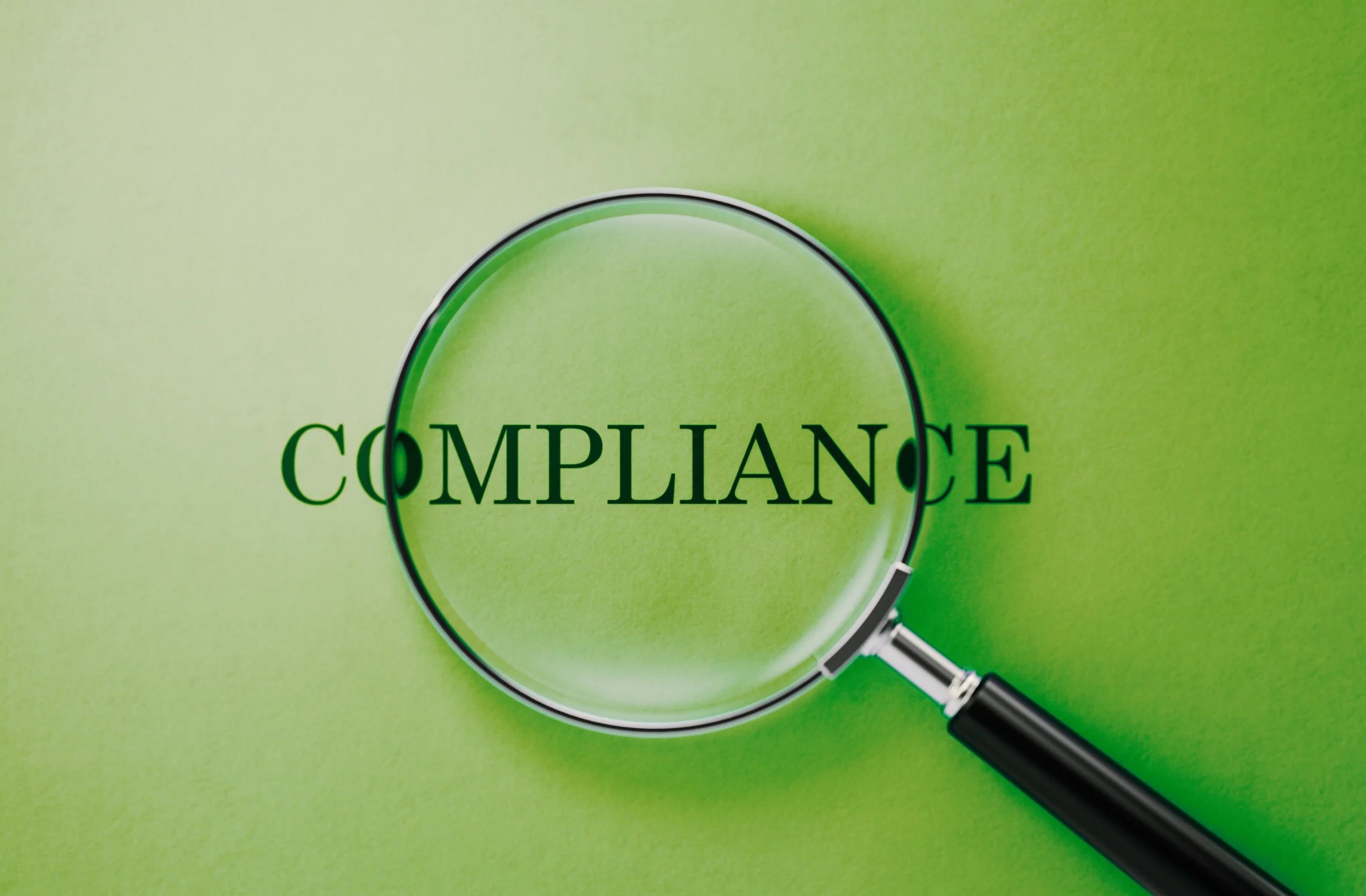
In the dynamic world of entrepreneurship, small businesses often focus on growth, innovation, and customer satisfaction. While these aspects are undoubtedly crucial, compliance is an equally important facet of running a successful enterprise. In this blog, we will delve into why compliance matters for small businesses, and explore key considerations to ensure they remain on the right side of the law.
The Significance of Compliance
Compliance refers to the adherence to laws, regulations, and industry standards relevant to your business. Whether it’s tax regulations, labor laws, industry-specific standards, or local permits, compliance is non-negotiable for small businesses for several compelling reasons:
1. Legal Obligation
Small businesses, just like their larger counterparts, are subject to a wide array of laws and regulations. Failing to comply can result in legal consequences, fines, penalties, and even business closures. Staying compliant is not just a best practice but an essential legal obligation.
2. Reputation
Non-compliance can tarnish your business’s reputation. Customers, suppliers, and partners are more likely to engage with companies that have a history of ethical and lawful conduct. A reputation for non-compliance can deter potential customers and harm existing relationships.
3. Financial Implications
Non-compliance can be financially devastating. Fines, legal fees, and penalties can eat into your profits and lead to financial instability. In contrast, adhering to regulations can help you avoid such expenses and maintain a healthier bottom line.
4. Risk Mitigation
Compliance is also about risk management. Adhering to safety regulations, for example, can prevent workplace accidents and reduce the risk of costly litigation. Small businesses need to be proactive in minimizing operational and legal risks.
Key Considerations for Small Business Compliance
Ensuring compliance can be a complex task, but it’s essential for the long-term success of your small business. Here are some key considerations to help you navigate the compliance landscape:
1. Understand Your Industry
Start by comprehending the specific regulations and industry standards that apply to your business. Regulations can vary widely from one industry to another. Be aware of the compliance requirements that are unique to your sector.
2. Seek Professional Guidance
Consider enlisting the help of legal experts, consultants, or advisors who specialize in small business compliance. They can help you navigate complex regulations, interpret legal jargon, and develop a compliance strategy tailored to your business.
3. Develop a Compliance Plan
Create a comprehensive compliance plan that outlines the regulations you need to follow, along with a timeline for implementation. Regularly update this plan to stay current with any changes in regulations or industry standards.
4. Employee Training
Educate your employees about the importance of compliance and provide them with the necessary training. Make sure they understand the specific regulations relevant to their roles, and encourage them to report any compliance issues they encounter.
5. Record-Keeping
Maintain meticulous records to prove your compliance efforts. Documentation can be invaluable in demonstrating your commitment to compliance in case of audits or legal issues.
6. Stay Current
Regulations are subject to change, so it’s crucial to stay informed. Subscribe to regulatory updates, attend industry events, and regularly review your compliance plan to ensure it reflects the latest requirements.
7. Regular Audits
Conduct regular internal audits to assess your level of compliance. These audits can help you identify and rectify any compliance gaps or shortcomings before they become larger problems.
Conclusion
Small businesses are the backbone of economies around the world, and compliance is the bedrock upon which they must build their success. Compliance matters not only for the sake of legal obligations but also for protecting your reputation, minimizing financial risks, and ensuring the long-term viability of your business. By prioritizing compliance and implementing the key considerations discussed in this blog, small businesses can operate in a responsible and ethical manner while fostering a positive and compliant business environment.