


Introduction
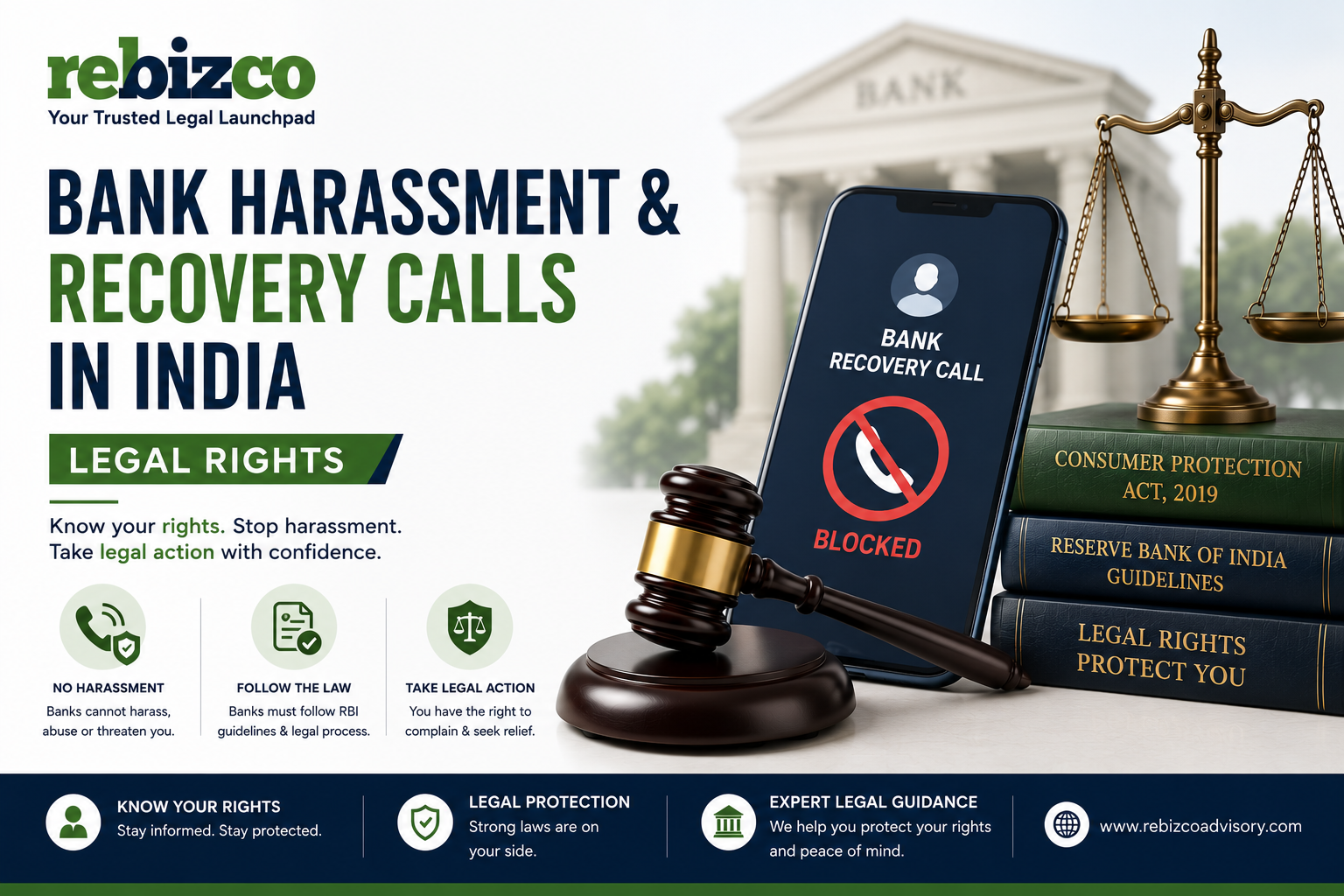
Loan recovery is a legal process; however, harassment by banks or recovery agents is not allowed under Indian law. Many borrowers face repeated calls, threats, or public embarrassment, which can cause serious stress. If you are dealing with such issues, understanding bank harassment India law is essential. This guide explains your legal rights, what counts as harassment, and how you can take action effectively.
What is Bank Harassment?
Bank harassment occurs when lenders or recovery agents use unfair or illegal methods to recover dues. While banks have the right to recover loans, they must follow proper procedures and respect the borrower’s dignity.
Harassment may include repeated phone calls, abusive language, threats, or visiting your home at odd hours. In some cases, agents may pressure family members or colleagues. Such behavior is not only unethical but also illegal.
Common Types of Recovery Harassment
Continuous and Threatening Calls
Many borrowers receive frequent calls throughout the day. Although reminders are allowed, excessive calling or threatening language is not. If you experience recovery agent harassment Delhi, you have the right to report it.
Public Shaming or Intimidation
Recovery agents sometimes visit homes or workplaces and create scenes. This behavior violates your privacy and dignity. The law clearly prohibits such actions.
Misleading or False Information
Some agents use false claims about legal consequences to pressure borrowers. For example, they may threaten arrest without proper court orders. Such tactics are illegal and can be challenged.
Legal Rights of Borrowers in India
Borrowers are protected under various laws and guidelines. Understanding borrower rights India helps you defend yourself against unlawful practices.
First, you have the right to dignity and privacy. Banks cannot harass or intimidate you. Second, you have the right to fair communication. Calls must be made during reasonable hours and in a respectful manner. Third, you have the right to receive proper notice before any legal action.
Additionally, the Reserve Bank of India (RBI) has issued guidelines to regulate recovery practices. These rules ensure that banks and agents act responsibly.
Laws Governing Bank Harassment
RBI Guidelines
The RBI strictly regulates recovery agents. Banks must ensure that agents behave professionally and follow ethical practices. Any violation can lead to penalties against the bank.
Indian Penal Code (IPC)
Harassment, threats, or abusive behavior may attract criminal charges under the IPC. Therefore, borrowers can file complaints against agents who cross legal boundaries.
Consumer Protection Laws
Borrowers can also approach consumer courts for unfair practices. This provides an additional layer of protection against misuse of power.
Legal Action Against Harassment
If you face harassment, you can take legal action bank harassment through proper channels. Acting promptly helps protect your rights and stops further misconduct.
File a Complaint with the Bank
Start by reporting the issue to the bank’s grievance redressal system. Most banks have dedicated complaint channels for such issues.
Approach RBI Ombudsman
If the bank does not respond properly, you can file a complaint with the RBI Ombudsman. This authority handles disputes between banks and customers.
Police Complaint
In cases of serious threats or abuse, you can file a police complaint. The law protects you from criminal intimidation and harassment.
Legal Notice and Court Action
You can also send a legal notice to the bank or recovery agent. If the issue continues, you may approach the court for relief and compensation.
How to Handle Recovery Calls
Dealing with loan recovery harassment India requires a calm and informed approach. First, always remain polite and avoid arguments. Second, ask for written communication instead of relying on phone calls. Third, keep records of all interactions, including call logs and messages.
Moreover, never share personal or financial details over the phone unless you are sure about the caller’s identity. Staying cautious helps you avoid further complications.
Preventive Measures for Borrowers
To reduce the risk of harassment, always communicate with your bank in advance if you face repayment difficulties. Request restructuring or revised payment plans if needed.
Maintaining transparency builds trust and often prevents aggressive recovery actions. Additionally, keeping proper records of payments and agreements ensures that you have proof in case of disputes.
Role of Legal Assistance
Legal experts can guide you in handling harassment cases effectively. They help draft complaints, send legal notices, and represent you in court if required. Professional support ensures that your rights are protected at every stage.
Conclusion
Bank harassment is a serious issue, but the law provides strong protection to borrowers. By understanding your rights and taking timely action, you can stop unfair practices and hold banks accountable.
If you face harassment, do not ignore it. Take the necessary steps, document everything, and seek legal help if required. With the right approach, you can protect your dignity and resolve the issue confidently.